
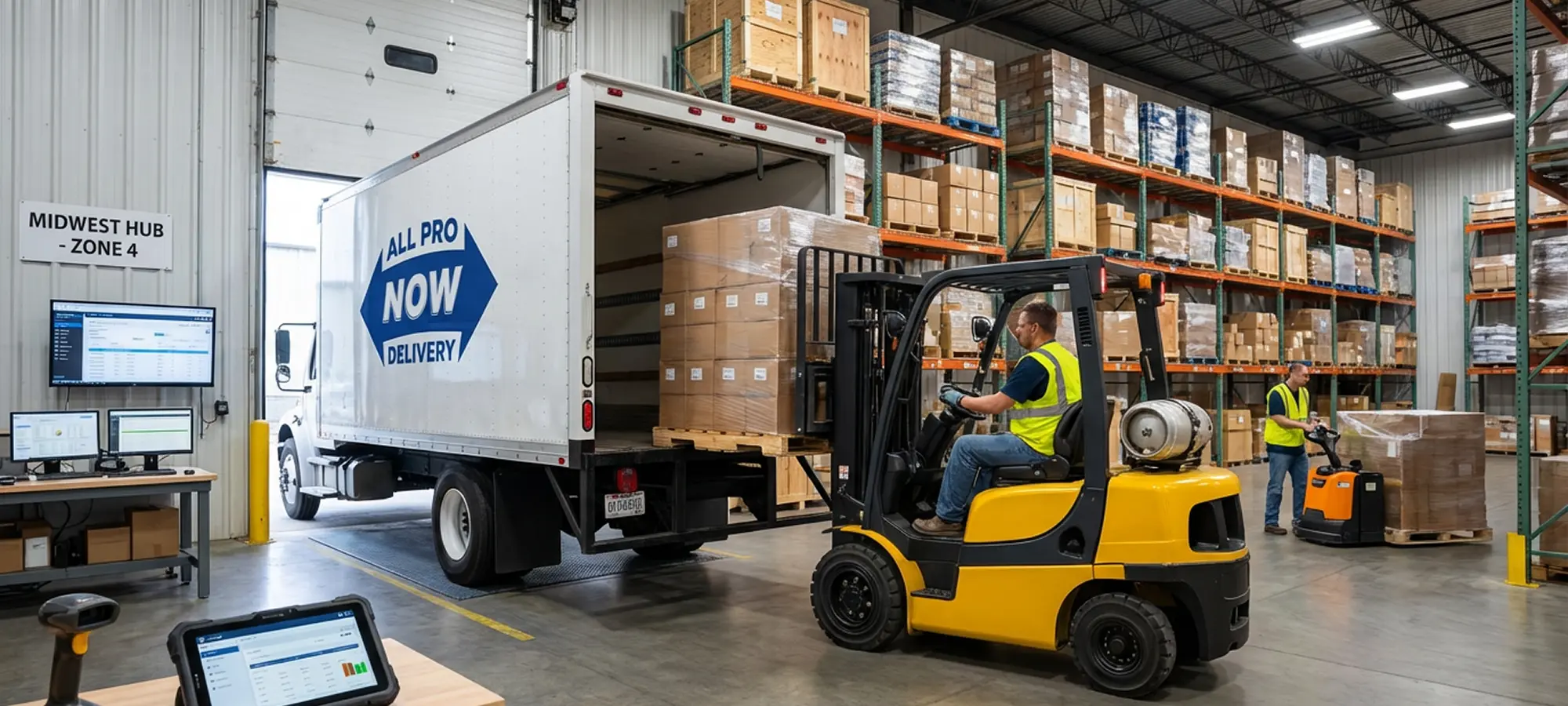
Every product sitting on a store shelf traveled through a complex network of warehouses, trucks, and docks. Someone had to load it, move it, and ensure it arrived safely—and that someone is a freight handler. If you run a business that ships goods across Ohio, Michigan, Indiana, or anywhere in the Midwest, understanding what is freight handling can transform your supply chain operations by improving efficiency, accuracy, and delivery performance.
AllProNow provides same-day delivery and managed logistics solutions across Northeast Ohio, Columbus, Toledo, Detroit, Akron/Canton, Youngstown, Pittsburgh, Western Pennsylvania, Northern Kentucky, and Florida. With over 50 years of experience and a 99% on-time delivery rate, AllProNow helps businesses streamline their freight operations through technology-driven services.
Defining What Is Freight Handling
Freight handling refers to the process of loading, unloading, and moving cargo at every stage of its journey. This includes the point of origin, each transfer point along the way, and the final destination.
When a manufacturer in Toledo ships industrial equipment to a customer in Pittsburgh, freight handlers get that cargo onto trucks, transfer it at warehouses, and unload it at the final stop. They use forklifts, pallet jacks, and cranes to move items that weigh thousands of pounds.
The goal is simple: ensure goods transition smoothly through every stage and arrive safely at their destination. This is what is freight handling at its core the backbone of modern supply chains.
What Do Freight Handlers Actually Do?
Freight handlers perform a wide range of tasks throughout the workday. Their responsibilities go far beyond lifting boxes.
Core duties include:
- Loading and unloading cargo from trucks, ships, and airplanes
- Operating forklifts, reach trucks, and electric pallet jacks
- Transporting goods between storage areas and loading docks
- Scanning and documenting shipments using inventory software
- Sorting and organizing freight within warehouses
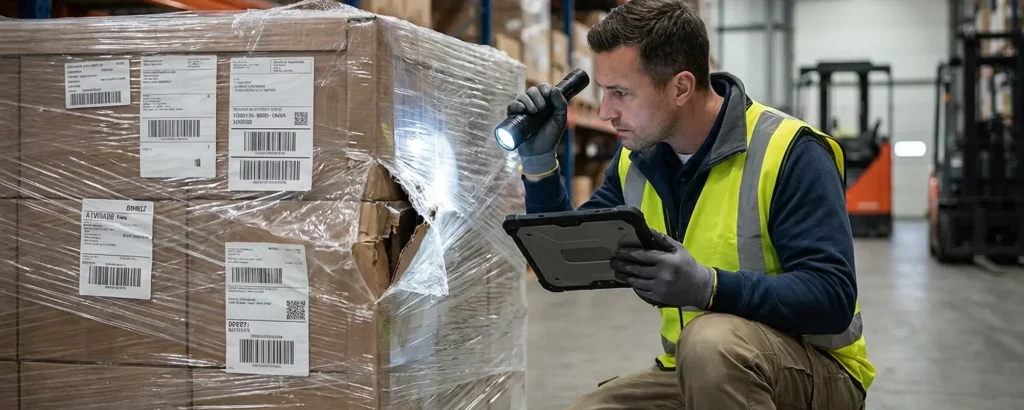
- Inspecting cargo for damage or discrepancies
- Following safety protocols to protect themselves and coworkers
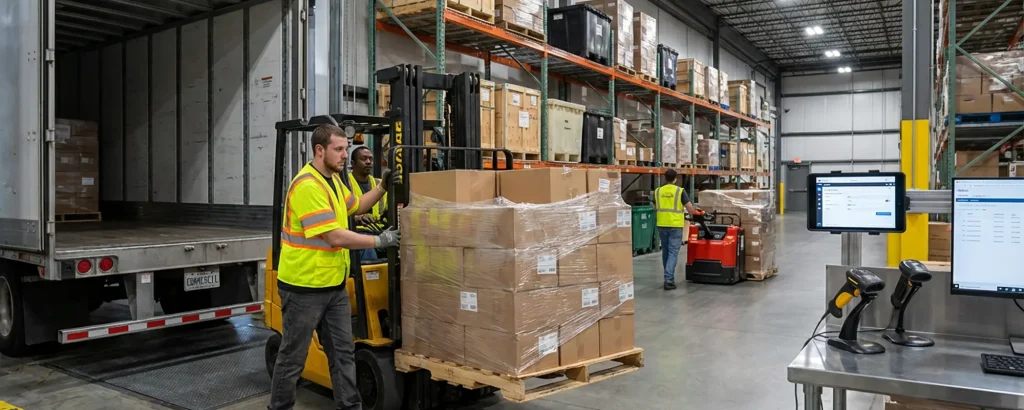
A freight handler at a distribution center in Columbus might spend their morning unloading pallets from an incoming truck and scanning each item into the inventory system. That afternoon, they could be loading outbound shipments for delivery across Indiana and Michigan.
The work is physical. Handlers spend most of their shifts standing, walking, and lifting. Many facilities operate around the clock, so overnight and weekend shifts are common. For anyone looking up what is freight handling, it’s important to know that the job often demands stamina, strength, and flexibility with work hours.
Equipment Used in Freight Handling Operations
Modern freight handling relies heavily on specialized equipment. While handlers still perform manual tasks, machinery makes it possible to move heavy cargo efficiently and safely.
Forklifts remain the workhorses of any warehouse. These vehicles lift and transport heavy pallets, allowing handlers to stack products on high shelves and move them across large facilities. OSHA requires formal training and certification before operators can legally drive forklifts.
Pallet jacks come in manual and electric versions. Manual pallet jacks work well in tight spaces and smaller operations. Electric pallet jacks offer more power for larger facilities where handlers move heavy loads throughout the day.
Reach trucks are specialized forklifts designed for narrow aisles. They allow handlers to maneuver cargo in confined warehouse spaces where standard forklifts cannot fit.
Cranes handle extremely large shipping containers at docks and ports. Freight handlers operating cranes load and unload ships efficiently, keeping cargo moving through busy seaports.
Scanners and inventory software track cargo throughout the supply chain. When a freight handler scans an item at a dock in Youngstown, that information updates instantly, letting customers know exactly where their shipment is located.
Protective materials like blankets, straps, and padding keep cargo safe during transit. Handlers use these items to prevent damage when transporting fragile or high-value goods.
Freight Handling vs. Shipping and Handling
Many people use these terms interchangeably, but they describe different processes. Understanding what is freight handling versus shipping helps clarify responsibilities at each stage.
Shipping and handling typically involves a vendor who picks, packs, labels, and sends individual items directly to customers. This process is common in e-commerce. The handling portion covers labor costs for gathering inventory, packaging products, and loading packages into vehicles.
Freight handling deals with larger, bulkier cargo usually items exceeding 150 pounds or shipments that fill pallets. It focuses exclusively on moving items while they are in transit. Freight handlers ensure goods move efficiently between transportation modes from truck to warehouse, warehouse to ship, and so on.
Freight can be categorized as crated, uncrated, or mixed shipments based on container types. Some goods require ground loading for items that cannot be handled at standard dock height.
If you need same-day delivery of LTL freight across Northeast Ohio or rush delivery to Detroit, AllProNow provides dedicated drivers and real-time tracking to keep your supply chain moving.
Skills and Certifications for Freight Handling Careers
Freight handling careers are accessible. Most positions do not require a college degree. Many companies hire candidates with a high school diploma or GED and provide on-the-job training.
Physical stamina is essential. Handlers stand for long periods and lift heavy items regularly. Most positions require the ability to lift 50 to 75 pounds repeatedly.
Forklift certification opens doors to higher-paying positions. OSHA requires formal training and a performance evaluation before operators can legally drive forklifts. Certification must be renewed every three years. Electric pallet jack operators also need OSHA-compliant certification.
Basic computer skills matter in modern warehouses. Handlers need to scan items, enter data, and navigate inventory management software throughout their shifts.
Communication skills help handlers coordinate with coworkers and supervisors. Many facilities use radio communication to manage freight movement across large spaces.
Safety awareness is non-negotiable. Handlers work with heavy machinery and large loads. Understanding safety protocols protects everyone on the floor.
For those with supply chain degrees, entry-level freight handling positions can serve as a stepping stone to logistics coordination or management roles.
Salary Expectations for Freight Handlers in 2025
Freight handler salaries vary based on location, experience, and employer. The average annual salary ranges from approximately $35,000 to $48,000.
Entry-level handlers typically earn around $39,000 to $40,000 annually. Those with five or more years of experience can expect salaries near $42,000 to $43,000. Hourly rates generally fall between $17 and $23.
Location significantly impacts pay. Freight handlers in California and Massachusetts earn higher wages than those in states with lower costs of living. In cities like San Francisco, average salaries exceed $50,000 per year. In the Midwest, including Ohio, Michigan, and Indiana, salaries align closely with national averages. For anyone researching what is freight handling, understanding these regional pay differences is essential when evaluating job opportunities.
Major employers like FedEx Freight pay above-average rates, with some positions exceeding $22 per hour. Career advancement is possible experienced handlers can move into supervisory roles or transition into logistics planning positions.
Work Environments for Freight Handlers
Freight handlers work in diverse settings depending on the employer and goods being moved.
Warehouses and distribution centers employ the largest number of freight handlers. These facilities receive, sort, store, and prepare shipments for outbound delivery.
Docks and ports require handlers who specialize in loading and unloading ships using cranes and shipping containers.
Airports employ freight handlers to manage air cargo, moving packages and pallets to and from aircraft under tight time constraints.
Retail distribution centers support major stores by receiving bulk shipments and preparing products for individual store deliveries.
Most freight handlers work a standard 40-hour week, though overtime is common during busy seasons. For many people searching what is freight handling, it’s important to know that night shifts and weekend hours are also common as facilities push to meet strict delivery deadlines.
Why Efficient Freight Handling Matters for Your Business
For businesses that ship products regularly, understanding what is freight handling is essential because efficient freight handling directly impacts both customer satisfaction and operational costs.
Reduced delays keep your supply chain on schedule. When freight handlers process shipments quickly, products reach customers faster.
Lower damage rates protect your bottom line. Proper freight handling techniques minimize cargo damage during transit.
Better tracking visibility helps you monitor shipments in real time. Modern operations use technology to provide accurate location updates and arrival times.
Cost savings come from optimized logistics. When freight moves efficiently, you spend less on storage and expedited shipping to fix delays.
AllProNow’s managed logistics services act as an extension of your supply chain team. From carrier management to lane planning and KPI reporting, AllProNow handles the complexities so you can focus on running your business.
Industries That Rely on Freight Handling
Manufacturing companies ship heavy equipment and raw materials requiring careful loading and transport. Facilities across Ohio, Michigan, and Indiana depend on reliable freight handling services.
Construction firms move building materials and machinery between job sites.
Retail and wholesale operations receive bulk inventory that must be unloaded, sorted, and distributed efficiently.
Medical facilities ship equipment and supplies requiring careful handling and time-sensitive delivery.
E-commerce businesses use freight handling for large-item deliveries like furniture and appliances.
Get Started with Professional Freight Handling Today
Now that you understand what is freight handling, you are better positioned to manage your supply chain. Many businesses still search what is freight handling when trying to streamline their warehousing and delivery operations, which shows how crucial this concept is for efficient logistics. Whether you operate a manufacturing facility in Toledo, a construction company in Pittsburgh, or an e-commerce business shipping across the Midwest, the right logistics partner makes all the difference.
AllProNow offers same-day delivery, LTL freight solutions, and courier services with transparent pricing, live GPS tracking, and 24/7 customer support.
Ready to ship smarter? Request a quote from AllProNow and see how professional freight handling can improve your logistics operations.