
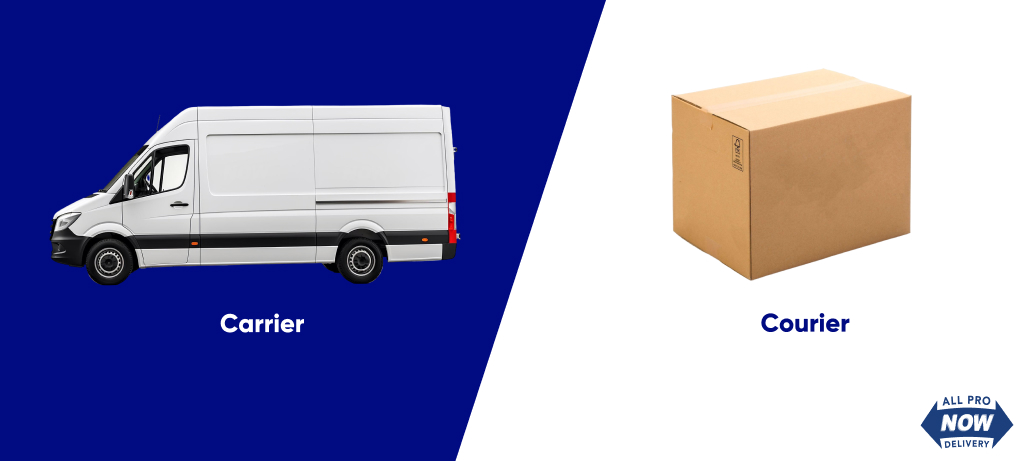
When a time-sensitive part needs to reach a manufacturing floor in Toledo by noon, or medical supplies must arrive at a Cleveland hospital within hours, the shipping method you choose matters. Understanding the carrier vs courier distinction helps businesses across Ohio, Michigan, Indiana, Pennsylvania, Kentucky, and Florida make smarter logistics decisions. All Pro Now has spent over 50 years helping companies navigate these choices with same-day delivery and managed logistics solutions built for real-world needs.
This guide breaks down how carriers and couriers differ, when to use each, and how to match the right service to your shipment.
What Is a Carrier?
A carrier is a company or individual that transports goods across long distances using trucks, trains, ships, or aircraft. Carriers typically handle large volumes of freight and move shipments through distribution networks before reaching the final destination.
There are three main types of carriers in the logistics industry. Common carriers transport goods for multiple shippers on regular routes under regulatory authority. Contract carriers work exclusively with specific clients under long-term agreements. Private carriers are company-owned fleets that transport only their own products.
Major carriers like FedEx, UPS, and ocean freight companies fall into this category. They operate vast networks spanning continents and can move everything from a single pallet to thousands of containers.
Carriers excel at moving bulk shipments cost-effectively over great distances. A manufacturing company shipping raw materials from overseas or distributing products nationwide would typically use carrier services.

What Is a Courier?
A courier delivers smaller shipments quickly, typically within a specific region. Courier services specialize in speed, door-to-door delivery, and personalized handling. They pick up packages and deliver them directly without routing through multiple distribution hubs.
Courier services come in several forms. Standard couriers handle everyday deliveries with tracking and scheduled timeframes. Express couriers prioritize urgent shipments with same-day guarantees. Medical couriers transport lab specimens and pharmaceuticals requiring chain-of-custody documentation. On-demand couriers respond immediately to pickup requests.
The courier model works differently from carrier networks. When you request a courier pickup, a driver comes to your location, takes your package, and drives it straight to the recipient. There are no sorting facilities adding time to the process.
This direct approach makes couriers the go-to choice for urgent documents, fragile items, and anything requiring speed over cost savings.
Carrier vs Courier: Key Differences That Affect Your Decision
Understanding when to use each service comes down to several factors that directly impact cost, speed, and reliability.
Shipment Size and Weight
Carriers handle heavier, bulkier loads efficiently. Once shipments exceed roughly 150 pounds or require pallet handling, carrier services become the practical choice. Their trucks, equipment, and networks are built for scale.
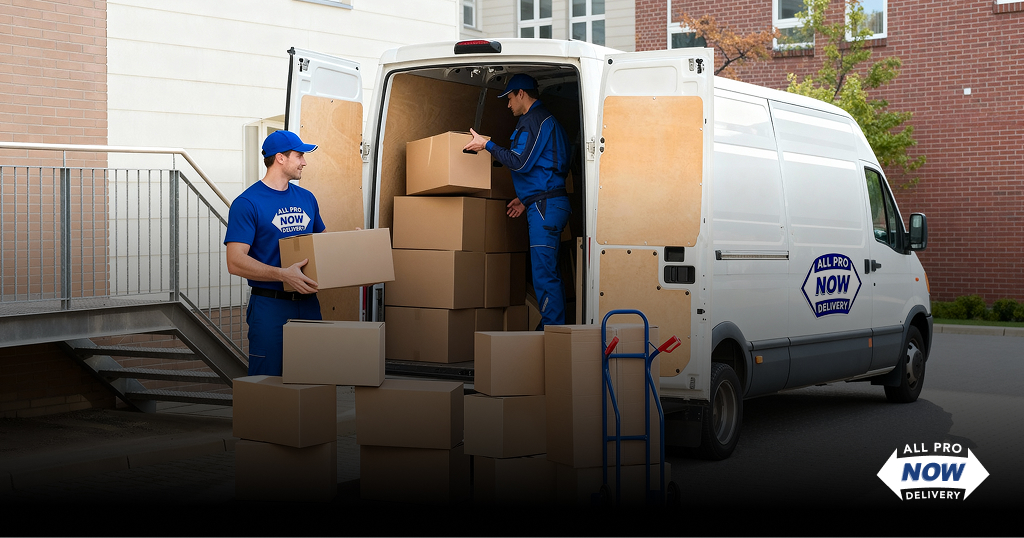
Couriers work best with smaller packages, typically ranging from documents to items weighing up to 150 pounds. A same-day courier in Detroit can transport anything from legal paperwork to replacement parts that fit in a sprinter van or box truck.
Speed Requirements
This is where the carrier vs courier comparison shows the starkest contrast. Carriers optimize for cost-efficiency across distance, which means longer transit times. Standard carrier shipping might take several days to a few weeks depending on destination and transport mode.
Couriers prioritize speed above all else. Same-day delivery is standard for most regional couriers. A medical facility in Pittsburgh needing lab samples transported to Columbus can have a courier complete that delivery within hours, not days.
Geographic Coverage
Carriers maintain extensive networks reaching across countries and continents. If you need to ship internationally or across the United States, carriers provide that reach.
Couriers typically focus on regional coverage. They know local routes, traffic patterns, and delivery nuances that make them faster within their service areas. A courier operating across Northeast Ohio, Indianapolis, and Western Pennsylvania can navigate those regions more efficiently than a national carrier routing packages through distant hubs.
Cost Structure
Carrier services cost less per pound for large shipments traveling long distances. The economies of scale work in your favor when moving freight.
Courier services cost more but deliver faster with more flexibility. You pay a premium for speed, direct handling, and the ability to set specific pickup and delivery windows. For urgent or high-value shipments, that premium often proves worthwhile.
Tracking and Visibility
Both carriers and couriers offer tracking, but the experience differs. Carrier tracking shows packages moving through checkpoints. Updates might come every few hours as shipments pass through distribution centers.
Courier tracking tends to be real-time. You see exactly where your driver is, get accurate ETAs, and receive immediate delivery confirmation. For businesses coordinating tight schedules, this visibility matters.
When Carriers Make More Sense
Choose carrier services when your shipments meet these criteria.
Large volume shipments benefit from carrier economics. If you are moving multiple pallets of inventory or restocking distribution centers, carriers handle that scale efficiently. A manufacturing plant in Akron sending finished goods to retailers across the Midwest would use carrier services for those bulk movements.
Non-urgent deliveries with flexible timelines suit carrier networks. When extra days of transit time do not impact operations, carrier pricing provides savings.
International shipping almost always requires carriers. Moving goods across borders involves customs, documentation, and transport modes that carriers specialize in.
Hazardous materials often require carrier services with specialized certifications. Carriers maintain compliance infrastructure for dangerous goods that most couriers cannot match.
When Couriers Are the Better Choice
Courier services prove their value in specific situations that businesses across the Midwest and beyond face regularly.
Time-critical deliveries demand courier speed. A construction firm in Youngstown waiting on a critical part to keep a project moving cannot afford multi-day shipping. A same-day courier gets that part on-site within hours.
Medical and healthcare logistics often require courier services. Lab specimens, prescription medications, and medical devices need fast, secure transport with proper handling. Medical couriers serving hospitals and clinics across Ohio and Michigan specialize in these requirements.
High-value or fragile items benefit from courier handling. When your package is the only shipment in the vehicle, it receives direct attention rather than being sorted and transferred multiple times.
Specific timing requirements call for courier flexibility. If you need pickup at 2 PM and delivery by 5 PM, couriers can accommodate those windows. Carriers operate on their own schedules.
E-commerce fulfillment increasingly relies on courier networks for last-mile delivery. Customers expect fast delivery, and regional couriers often outperform national carriers on speed within their coverage areas.
Making the Carrier vs Courier Decision for Your Business
The right choice depends on matching service capabilities to your actual needs. Ask these questions before each shipment.
How urgent is this delivery? If delays would cost more than the shipping premium, use a courier. What is the shipment size and weight? Items over 150 pounds typically point toward carriers.
Where is it going? Regional deliveries within Ohio, Michigan, Indiana, or Pennsylvania often work better with local couriers. Cross-country or international shipments need carrier networks.
What level of handling does this require? Fragile equipment or items needing chain-of-custody documentation often warrant courier attention. What is your tracking tolerance? If you need real-time visibility, couriers typically deliver better tracking experiences.
Building a Logistics Strategy That Uses Both
Most businesses benefit from using both carriers and couriers strategically. The carrier vs courier question is not about choosing one permanently. It is about matching the right service to each situation.
Retailers might use carriers for inventory replenishment while relying on couriers for urgent restocks. Manufacturers might ship raw materials via carrier but send rush parts via courier. Medical facilities might receive bulk supplies through carrier networks while using couriers for lab specimens.
The key is having reliable options available. Working with a logistics partner that offers both services simplifies decision-making and keeps shipments moving efficiently.
Regional Delivery Across the Midwest and Beyond
For businesses operating across Northeast Ohio, Columbus, Toledo, Detroit, Akron, Canton, Youngstown, Pittsburgh, Indianapolis, and into Michigan, Western Pennsylvania, Northern Kentucky, and Florida, local expertise matters. Regional courier services familiar with these markets often outperform national carriers on speed and reliability.
Understanding local traffic patterns and maintaining driver networks positioned throughout these regions translates into faster, more predictable deliveries. Whether you need a sprinter van for parcel shipments or a box truck handling LTL freight, matching vehicle type to load size optimizes both cost and speed.
Get the Right Shipping Solution
The carrier vs courier decision becomes easier when you understand what each offers and match capabilities to requirements. Carriers excel at moving large volumes over long distances efficiently. Couriers deliver speed, flexibility, and direct handling for urgent regional shipments.
All Pro Now provides same-day delivery, courier services, and managed logistics across Ohio, Michigan, Indiana, Pennsylvania, Kentucky, and Florida. With real-time tracking, transparent pricing, and over 50 years of experience, we help businesses make the right shipping choice every time.
Get a quote from All Pro Now to find the right carrier vs courier solution for your next shipment.