
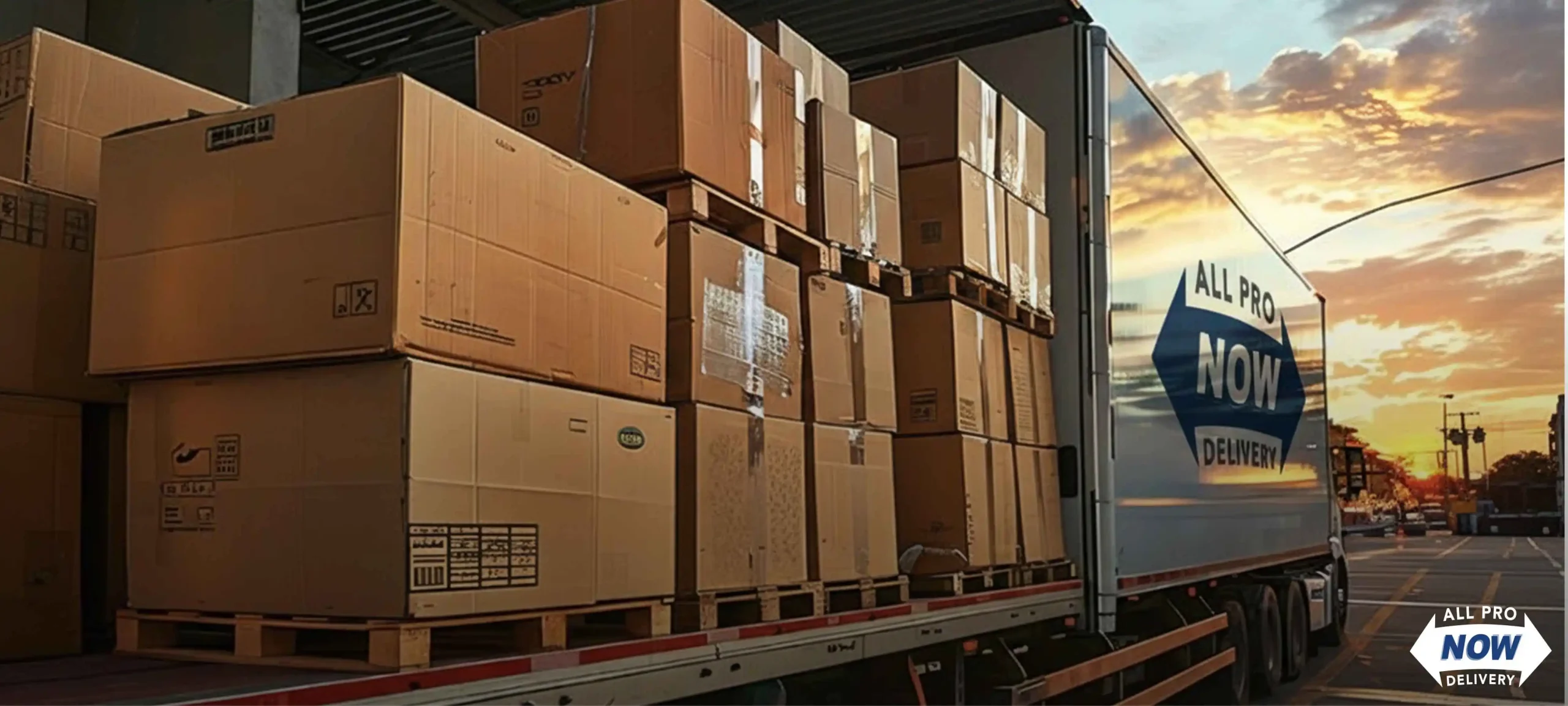
If you’ve ever shipped goods that were too large for UPS but didn’t fill an entire truck, you’ve likely encountered LTL freight. But what is LTL freight, exactly, and why should your business care? Whether you’re running a manufacturing operation in Ohio, a distribution center in Texas, or a retail business in California, understanding less-than-truckload shipping can dramatically cut your logistics costs while keeping your supply chain efficient.
At AllProNow, we help businesses across the United States from Florida to Washington, Illinois to Arizona navigate freight shipping decisions every day. Our nationwide network connects you with vetted LTL carriers who understand regional routes, dock requirements, and the specific needs of industries like manufacturing, retail, construction, and food distribution. Let’s break down everything you need to know about LTL freight.
Understanding What Is LTL Freight
LTL stands for “less than truckload.” It’s a shipping method designed for freight that weighs between 150 and 15,000 pounds and doesn’t require an entire trailer. Think of it as carpooling for cargo. Your pallets share truck space with shipments from other businesses heading in the same direction.
Here’s how it differs from your other options. Small parcel carriers like FedEx and UPS handle packages under 150 pounds. Full truckload (FTL) shipping is for when you need an entire 53-foot trailer. LTL fills the gap between these two extremes. You pay only for the trailer space your freight occupies. Other shippers cover the rest.
This matters because most American businesses don’t ship full truckloads every day. A furniture manufacturer in North Carolina might send three pallets to a retailer in Georgia. A food distributor in Illinois could deliver five pallets to a restaurant chain in Michigan. These scenarios are perfect for LTL.
The beauty of LTL freight lies in cost efficiency. For anyone wondering what is LTL freight , it simply means sharing truck space with other shippers instead of booking a full truck. So instead of paying $2,000 for a dedicated truck to move just three pallets, you might pay around $400 by sharing space — keeping more money for inventory, marketing, or operations.
Another key part of understanding LTL is freight handling. Freight handling refers to the way shipments are loaded, moved, sorted, and transferred within the LTL network. Because your freight shares space with other shipments, proper handling ensures your pallets stay protected, correctly labeled, and delivered without damage. Good freight handling is what keeps LTL efficient, reliable, and cost-effective for small to mid-size shipments.
How LTL Freight Actually Works
The LTL system operates on a hub-and-spoke model. Local terminals act as spokes. Larger distribution centers serve as hubs. Here’s the journey your freight takes.
Morning delivery, afternoon pickup. An LTL driver reports to a Boston terminal at 6 AM. Dock workers have loaded their trailer with 20 deliveries from different shippers. The driver spends the morning dropping pallets at businesses throughout the city. By noon, the trailer is empty. The driver then makes pickup appointments all afternoon, filling the trailer with outbound shipments before returning to the terminal.
The breakbulk process. Back at the terminal, night crews unload and sort everything. Freight heading to Los Angeles gets loaded onto one trailer. Shipments bound for Chicago go onto another. Long-haul drivers arrive around midnight and transport these consolidated loads to regional hubs.
Cross-docking and sorting. Your five pallets from Boston to LA might stop at a Harrisburg, Pennsylvania breakbulk facility first. Workers unload them and reload them onto a westbound trailer. This handling happens multiple times on long routes. Some carriers even put trailers on rail cars for the longest stretches, then transfer them back to trucks for final delivery.
Local delivery. Once freight reaches the LA terminal, local drivers take over. They deliver your pallets along with other shipments in that area. The same driver who serves downtown LA every Tuesday becomes your regular contact.
This system explains why LTL takes longer than FTL. Your freight gets handled multiple times. It rides with other shipments. But you save significant money by sharing costs with other shippers on the same route.
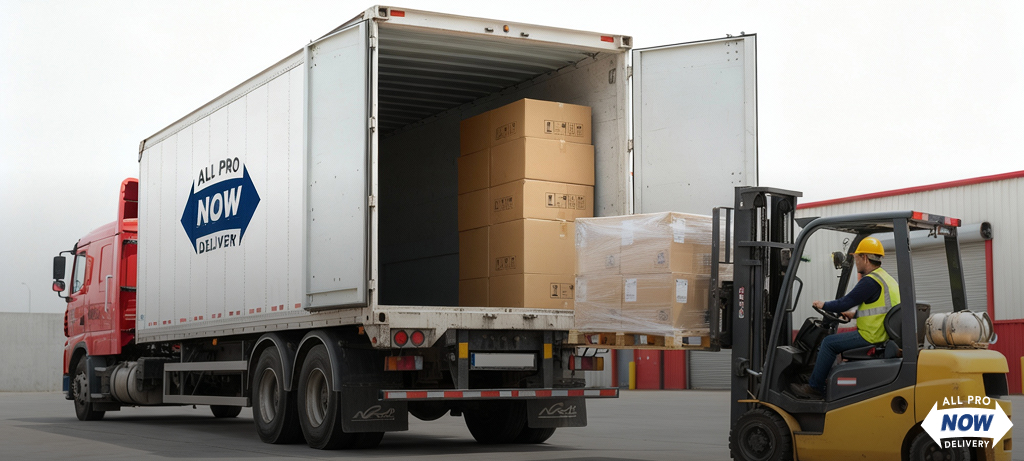
When to Choose LTL Over Other Shipping Methods
Not every shipment fits LTL parameters. Use this mode when circumstances align properly.
Small to medium shipments. If you’re moving one to ten pallets, LTL makes perfect sense. Retailers restocking store displays often ship this way. Manufacturers sending component parts to assembly plants use LTL frequently.
Budget matters more than speed. Standard LTL transit from New York to California takes seven to ten business days. If your customer can wait, you’ll save significantly versus expedited options. Construction companies ordering materials for projects two weeks out often choose LTL.
Regular regional routes. A Texas manufacturer delivering weekly to Oklahoma, Louisiana, and Arkansas can establish relationships with regional LTL carriers. These carriers know the local terminals and dock schedules.
Limited storage capacity. Small businesses without warehouse space benefit from frequent smaller shipments. An Ohio retailer might receive five pallets weekly instead of 20 monthly. LTL supports this just-in-time approach.
Sustainability goals. Consolidating multiple shippers onto one truck reduces carbon emissions per pound shipped. Companies tracking environmental metrics often prefer LTL for this reason.
Skip LTL when speed is absolutely critical. If you need guaranteed delivery in two days, expedited FTL works better. Extremely heavy shipments over 15,000 pounds also exceed typical LTL limits.
Real Costs Behind LTL Freight Rates
Several factors determine what you’ll pay. Understanding them helps you negotiate better rates and budget accurately.
Distance traveled. A shipment from Miami to Orlando costs less than Miami to Seattle. Carriers charge by miles covered. Regional moves under 500 miles typically cost $0.15 to $0.25 per pound. Cross-country hauls range from $0.25 to $0.50 per pound.
Freight class. The National Motor Freight Classification system assigns classes from 50 to 500. Dense items like steel pipes earn low classes and lower rates. Light, bulky items like furniture earn high classes and higher rates. Class 50 freight costs 40% less than class 200 on the same lane.
Dimensional weight. Carriers measure length, width, and height of each pallet. They calculate how much space your freight occupies. Two shipments weighing the same can have vastly different rates if one takes up more trailer space.
Accessorial charges. Services beyond basic dock-to-dock delivery cost extra. Liftgate service adds $75 to $150. Residential delivery adds $100 to $200. Inside delivery can add $150 to $300. Limited access locations trigger $50 to $100 fees.
Fuel surcharges. These fluctuate weekly based on diesel prices, typically adding 15% to 30% of the base rate. Most carriers publish fuel surcharge tables on their websites.
A realistic example helps clarify costs. Shipping five pallets of packaged goods (freight class 60) weighing 3,000 pounds from Chicago to Dallas might run $450 to $650 base rate. Add a 20% fuel surcharge ($90 to $130) and liftgate service ($100). Total cost: $640 to $880, roughly $0.21 to $0.29 per pound for a 900-mile move.
Compare that to FTL for the same lane at $1,800 to $2,200. If your five pallets only occupy 25% of the trailer, LTL saves you over $1,000.
Preparing Your Shipment for LTL Success
Proper packaging protects your goods and avoids carrier disputes. Follow these practices religiously.
Palletize everything. Load items onto standard 48-inch by 40-inch pallets. Secure boxes with stretch wrap. Make each pallet one handling unit. LTL carriers strongly prefer this over loose cartons.
Stack strategically. Put heavy items on the bottom layer. Stack lighter items on top. Don’t exceed 72 inches in total height. Unstable tall stacks topple during transit. Create a stable, balanced load.
Protect corners and edges. Use corner boards for structural stability. They prevent stretch wrap from crushing box edges. They also help pallets stack safely in trailers. Corner boards cost $2 to $5 per pallet but prevent hundreds in damage claims.
Label clearly. Place labels on at least two sides of each pallet. Include the bill of lading number, destination city and state, consignee name, and piece count. Clear labels reduce misrouting at terminals.
Accurate documentation. Your bill of lading must match the actual freight exactly. Wrong weight or class invites reclassification fees that can double your shipping cost. Carriers inspect and weigh shipments at terminals. Measure and weigh accurately before quoting.
A Georgia manufacturer learned this lesson expensively. They listed shipment weight as 2,000 pounds and class 70. The carrier weighed it at 2,800 pounds and reclassified it as class 85. The manufacturer paid $340 in reclassification fees plus $180 in additional freight charges.

Top LTL Carriers Serving American Businesses
Several national and regional carriers dominate LTL shipping. Each has distinct strengths worth knowing.
Old Dominion (ODFL). Consistently rated the top LTL carrier for service quality. Known for reliable transit times and low damage rates. Their terminals span all lower 48 states. Premium service comes with premium pricing, but many shippers consider it worth the cost.
XPO Logistics. Large network with competitive pricing on many lanes. They handle complex supply chain solutions beyond basic LTL. Good choice for businesses needing integrated services across multiple modes.
Estes Express. Family-owned carrier with strong regional presence in the Southeast and Midwest. They emphasize customer service and flexible delivery options. Pricing tends to be competitive without sacrificing service.
R+L Carriers. Another family-owned operation focused on next-day service in regional lanes. If you’re shipping within 500 miles, R+L often delivers faster than competitors.
Regional carriers also deserve attention. In the Northeast, carriers like New England Motor Freight excel at dense urban deliveries. In the Southeast, Southeastern Freight Lines knows rural routes. Western states have carriers specializing in mountain regions.
AllProNow works with vetted carriers across these networks. We match your shipments to carriers who serve your specific lanes reliably.
Technology and Tracking in Modern LTL
Modern LTL operates digitally, and businesses benefit enormously from these advancements.
Transportation Management Systems (TMS). These platforms let you rate, book, and track shipments in real time. You enter shipment details once and see rates from multiple carriers instantly. You schedule pickups without phone calls. You monitor shipments from origin to destination.
Tracking methods. Carriers provide multiple tracking options. Use your bill of lading number, PRO number, purchase order number, or pickup date range. Updates show when freight leaves origin, arrives at each terminal, and delivers to consignee.
Performance metrics. Smart shippers track on-time delivery percentages by carrier and lane. They measure damage rates and claims frequency. This data drives carrier selection and rate negotiations.
Exception management. When delays occur weather, mechanical breakdowns, terminal congestion systems alert you automatically. You can notify customers proactively rather than learning about problems when they call.
A Michigan automotive parts distributor using TMS reduced logistics costs by 18% in one year. They identified underperforming carriers on specific lanes and shifted volume to better performers.
Working with AllProNow for Your LTL Needs
Navigating LTL freight complexity doesn’t have to consume your time and energy. AllProNow connects businesses across America with reliable carriers and transparent pricing.
Nationwide coverage. Whether you’re shipping from New York to Florida, California to Illinois, or Texas to Washington, we access carriers who know those lanes intimately. Our network includes both national carriers and regional specialists.
Industry expertise. We understand the specific needs of different sectors. Manufacturing clients need consistent pickup schedules. Retail clients need flexibility for seasonal volume spikes. Food distributors require temperature-controlled options. Construction companies need delivery to job sites without docks.
Rate negotiation. We leverage collective shipping volume to secure competitive rates. Small businesses get pricing typically available only to large shippers. You save money without sacrificing service quality.
Technology access. We provide tools for rating, booking, and tracking shipments. You get TMS visibility without building your own system. Real-time tracking keeps you informed without constant phone calls.
Ongoing support. When issues arise and in logistics, they will we resolve them quickly. Damaged freight gets documented properly. Delivery delays get explained and solutions found. We advocate for you with carriers.
Understanding what is LTL freight gives you power to make smarter shipping decisions. You can cut costs significantly without compromising service. You can choose the right carriers for specific lanes. You can prepare shipments properly to avoid damage and delays.
Ready to optimize your LTL shipping strategy and reduce freight costs? Visit AllProNow to connect with our team. We’ll analyze your shipping patterns, recommend carriers for your specific lanes, and help you build an efficient, cost-effective freight program. From California to the Carolinas, Michigan to Texas, Arizona to Florida, we’re here to move your business forward with reliable LTL solutions.