Real time tracking has become one of the most important capabilities in modern logistics, yet it is often misunderstood as a simple GPS feature. In reality, real time tracking is what allows logistics operations to function with speed, accountability, and predictability in an increasingly complex delivery environment.
As supply chains stretch across cities, states, and regions in 2026, logistics teams are under pressure to deliver faster while answering more questions than ever. Where is the shipment? Has it been delayed? Will it arrive on time? Real time tracking is the system that turns those questions into clear, actionable answers.
This guide explains what real time tracking actually means in logistics, why it matters, how it works in practice, and where it fits into modern delivery operations.
What Is Real Time Tracking in Logistics?
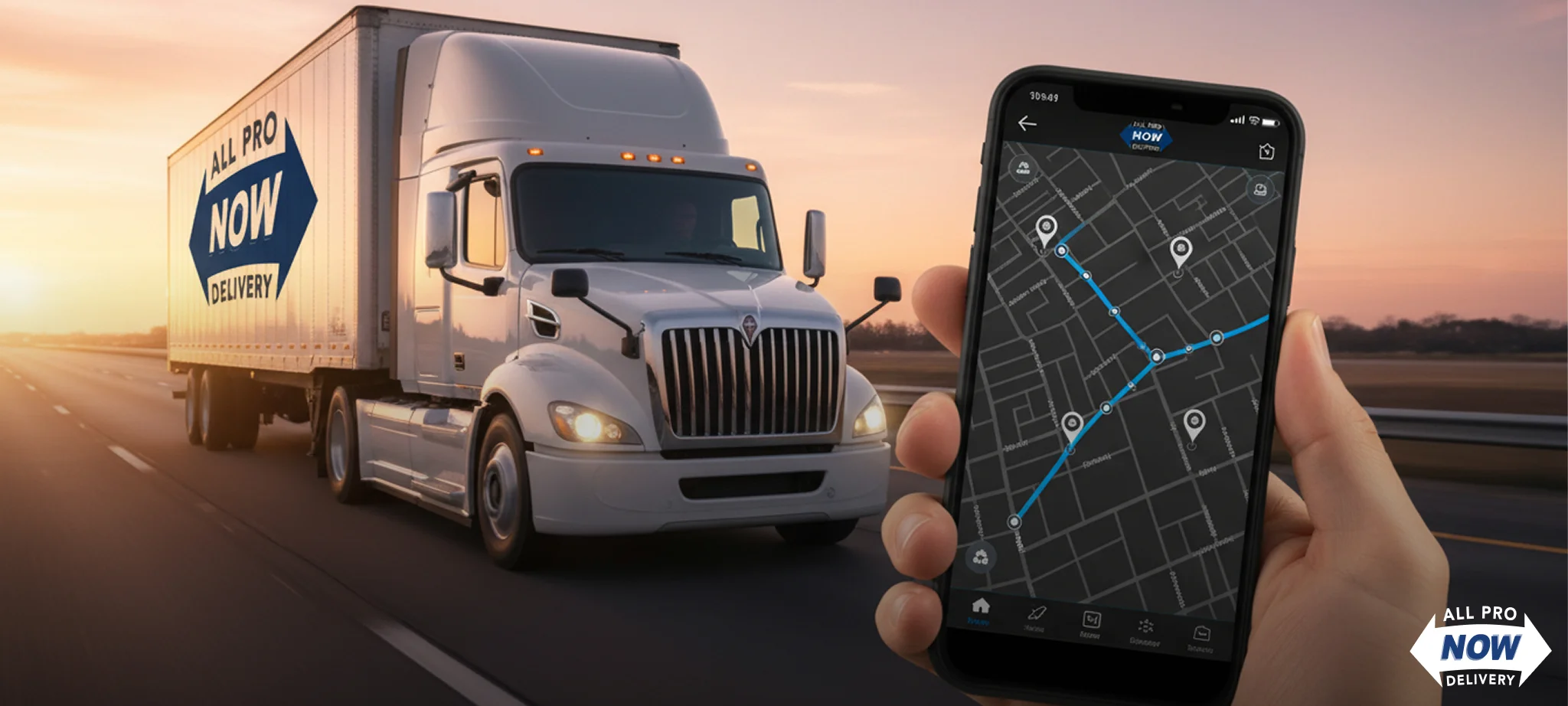
Real time tracking refers to the ability to monitor the live status and location of shipments as they move through the delivery process. Unlike traditional tracking updates that refresh at fixed checkpoints, real time tracking provides continuous visibility throughout transit.
In logistics, this means knowing not just when a package was picked up or delivered, but what is happening in between. It includes location updates, route progress, delays, and status changes that can be accessed as they occur.
Real time tracking is not limited to large freight shipments. It plays a critical role in same-day delivery, last-mile logistics, time-sensitive transport, and multi-stop routing—where visibility gaps create risk.
At its core, real time tracking reduces uncertainty. It replaces guesswork with data.
Why Real Time Tracking Matters More Than Ever
Logistics has changed dramatically over the past decade. Customers now expect faster deliveries, tighter delivery windows, and constant updates. Internally, operations teams are expected to do more with fewer resources while maintaining reliability.
Without real time tracking, logistics teams operate reactively. They learn about delays after they happen. They rely on phone calls and manual follow-ups. Small issues escalate into larger disruptions.
With real time tracking, teams can see problems forming and respond before they affect outcomes. Routes can be adjusted. Stakeholders can be notified. Expectations can be managed proactively.
In 2026, real time tracking is no longer a “nice to have.” It is foundational to modern logistics performance.
Real Time Tracking vs Traditional Shipment Tracking
Traditional tracking systems provide limited visibility. Updates often occur only at major milestones such as pickup, hub arrival, or delivery confirmation. Between those points, shipments are effectively invisible.
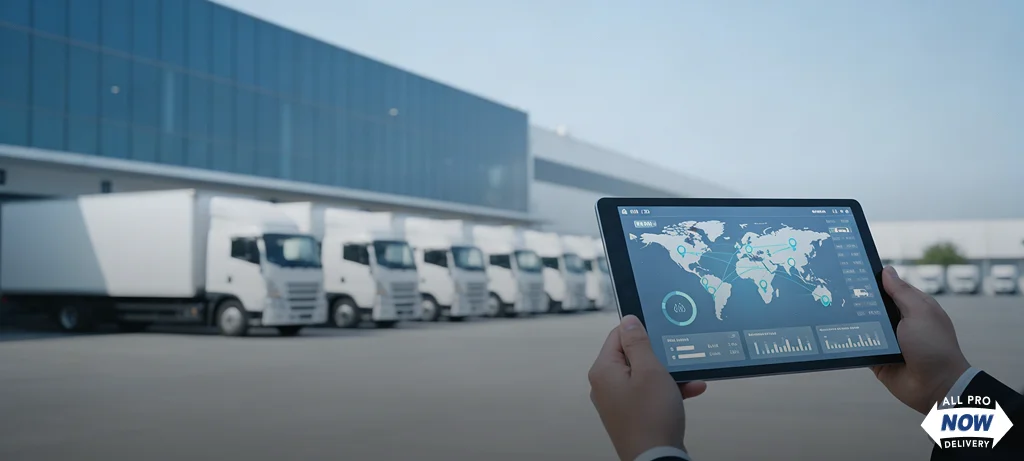
Real time tracking changes this model entirely. Instead of static updates, it provides continuous insight into movement and status.
The difference becomes most visible in time-sensitive logistics. When a delivery runs late, traditional tracking tells you after the fact. Real time tracking shows the delay as it develops, allowing teams to intervene.
This shift from retrospective tracking to live visibility is what enables faster, more reliable logistics operations.
Key Benefits of Real Time Tracking in Logistics
Real time tracking delivers value across multiple layers of logistics operations, from day-to-day execution to strategic planning.
- Operational visibility
Teams can monitor active deliveries in real time, reducing blind spots and manual follow-ups. - Faster issue resolution
Delays, route deviations, and exceptions are identified early, allowing corrective action before failure occurs. - Improved customer communication
Accurate delivery updates reduce inbound “where is my shipment” inquiries and build trust. - Better accountability
Clear visibility into routes and handling improves performance measurement and responsibility. - Data-driven optimization
Historical tracking data supports better routing, staffing, and capacity planning.
These benefits compound over time. The more consistently real time tracking is used, the more predictable logistics operations become.
How Real Time Tracking Works in Practice
Real time tracking relies on a combination of location data, connectivity, and software platforms. While the underlying technology can vary, the operational outcome is the same: continuous shipment visibility.
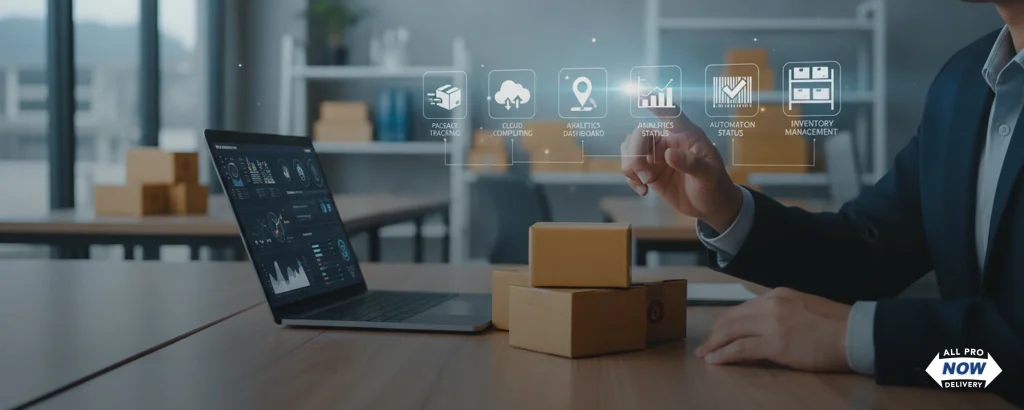
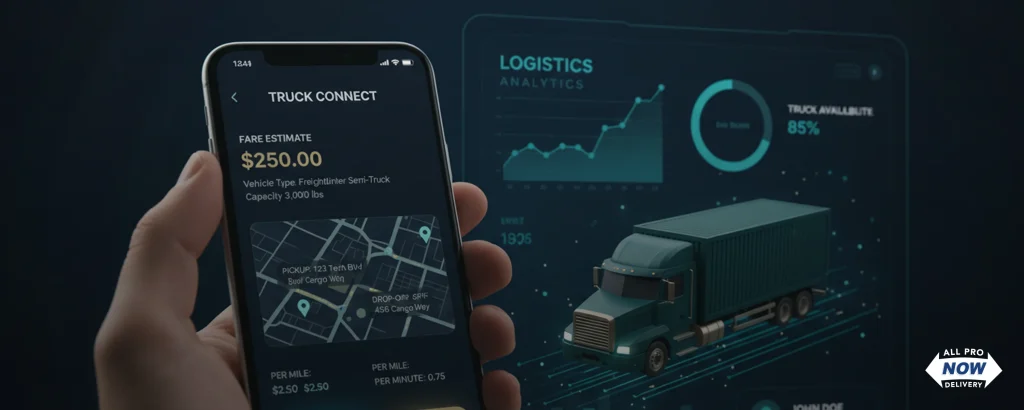
In most logistics environments, tracking data is captured through mobile devices, vehicle systems, or integrated delivery platforms. This data feeds into dashboards that logistics teams can monitor throughout the day.
What matters most is not the technology itself, but how tracking information is used. Real time tracking is most effective when it is integrated into dispatching, customer communication, and exception handling—not treated as a standalone feature.
When tracking data informs decisions in real time, logistics teams move from reacting to managing.
Where Real Time Tracking Has the Biggest Impact
Real time tracking delivers value across many logistics use cases, but its impact is most visible in environments where timing and coordination matter most.
- Same-day and on-demand delivery
Tight delivery windows leave little room for error. Live visibility allows teams to adjust routes and manage expectations dynamically. - Multi-stop and routed deliveries
Tracking helps ensure each stop stays on schedule and identifies downstream impact when delays occur. - Time-sensitive shipments
When delays have real consequences, real time tracking provides early warning and control. - Last-mile logistics
The final leg of delivery is often the most unpredictable. Visibility here reduces failed attempts and missed windows.
These scenarios illustrate why real time tracking has become central to modern logistics execution.
The Role of Real Time Tracking in Customer Experience
From a customer perspective, real time tracking is often the most visible part of thelogistics process. It shapes how reliability and professionalism are perceived.

Accurate, live updates reduce uncertainty and frustration. Customers are more tolerant of delays when they are informed early and clearly. In contrast, a lack of visibility erodes trust—even when deliveries arrive only slightly late.
For logistics providers, real time tracking becomes a communication tool as much as an operational one. It sets expectations and reduces friction across the delivery experience.
Real Time Tracking and Operational Accountability
One of the less discussed benefits of real time tracking is accountability. When shipment movement is visible, performance becomes measurable.
Dispatch teams gain insight into route efficiency. Managers can identify recurring bottlenecks. Drivers receive clearer expectations and feedback. Over time, this visibility supports continuous improvement rather than blame-based management.
In this way, real time tracking supports both performance and culture within logistics operations.
Where AllProNow Fits into Real Time Tracking–Driven Logistics
In time-critical and same-day delivery environments, real time tracking is not optional. It is essential to execution.
AllProNow operates in delivery scenarios where visibility directly affects outcomes. By integrating real time tracking into same-day and urgent logistics workflows, AllProNow supports customers who need to know where shipments are and when they will arrive—without relying on manual follow-ups.
Rather than treating tracking as a passive feature, real time visibility becomes part of how deliveries are managed, communicated, and completed.
This approach aligns with the operational layer where delays are least tolerable and clarity matters most.
Challenges of Implementing Real Time Tracking
While real time tracking delivers clear benefits, implementation is not without challenges.
- Data quality is a common issue. Tracking systems are only as reliable as the data they receive. Gaps in connectivity or inconsistent usage can reduce effectiveness.
- Operational adoption is another hurdle. Teams must be trained to act on tracking data, not just view it. Without process alignment, visibility alone does not improve outcomes.
- Finally, real time tracking must integrate with existing logistics systems. Fragmented tools create more complexity, not less.
- Successful implementation requires both technology and operational discipline
How to Evaluate Real Time Tracking Capabilities in a Logistics Partner
When choosing a logistics provider, real time tracking should be evaluated as a capability, not a checkbox.
Organizations should look for partners that provide:
- Live, continuous shipment visibility
- Clear status updates and exception alerts
- Easy access to tracking information
- Integration with dispatch and customer communication
- Proven use of tracking data to improve performance
The goal is not just to see shipments move, but to manage delivery outcomes more effectively.
Conclusion: Real Time Tracking as a Logistics Standard
Real time tracking has moved from a differentiator to a baseline expectation in modern logistics. In 2026, visibility is no longer optional for organizations that want to operate efficiently, scale reliably, and meet rising delivery expectations.
By reducing uncertainty, improving accountability, and enabling faster decision-making, real time tracking reshapes how logistics operations perform day to day.
As delivery networks continue to evolve, real time tracking will remain a foundational capability—one that turns movement into insight and execution into confidence.