
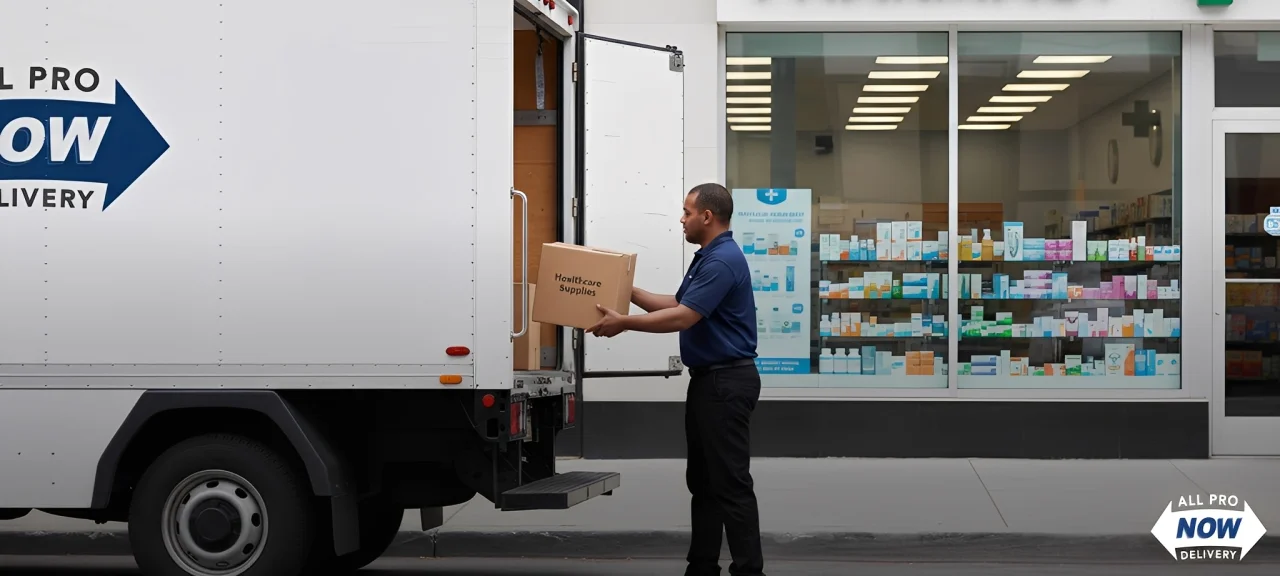
Logistics in healthcare is one of the most critical yet least visible forces shaping patient care in the United States. Every diagnosis, procedure, or treatment depends on a coordinated movement of medications, lab samples, medical devices, and essential supplies. When logistics fails, care slows down. When it works well, outcomes improve quietly in the background.
As healthcare delivery becomes more decentralized in 2026—spanning hospitals, outpatient centers, specialty pharmacies, laboratories, and home-care settings—healthcare delivery logistics has moved from a support function to core infrastructure. This guide explains how logistics in healthcare works today, why it matters, and how the system is evolving.
What Is Healthcare Delivery Logistics?
Healthcare delivery logistics is often confused with healthcare delivery itself, but the two are not the same.
Healthcare delivery refers to the direct provision of medical care to patients. This includes diagnosis, treatment, monitoring, and clinical decision-making.
Healthcare delivery logistics focuses on the operational backbone that enables that care to happen efficiently. It governs how medical goods move through the healthcare system in a way that is timely, compliant, and safe.
In practice, logistics in healthcare typically covers:
- Transportation of medications, vaccines, and infusion therapies
- Movement of diagnostic samples between collection sites and laboratories
- Delivery of surgical instruments, implants, and medical devices
- Rapid replenishment of critical supplies during emergencies
At its core, healthcare delivery logistics ensures that clinicians have the right item, at the right place, at the right time, without compromising quality or safety.
Why Logistics in Healthcare Matters in the U.S.
The U.S. healthcare system is one of the most complex supply networks in the world. It connects thousands of hospitals, clinics, pharmacies, labs, manufacturers, distributors, and third-party logistics providers across vast geographic regions.
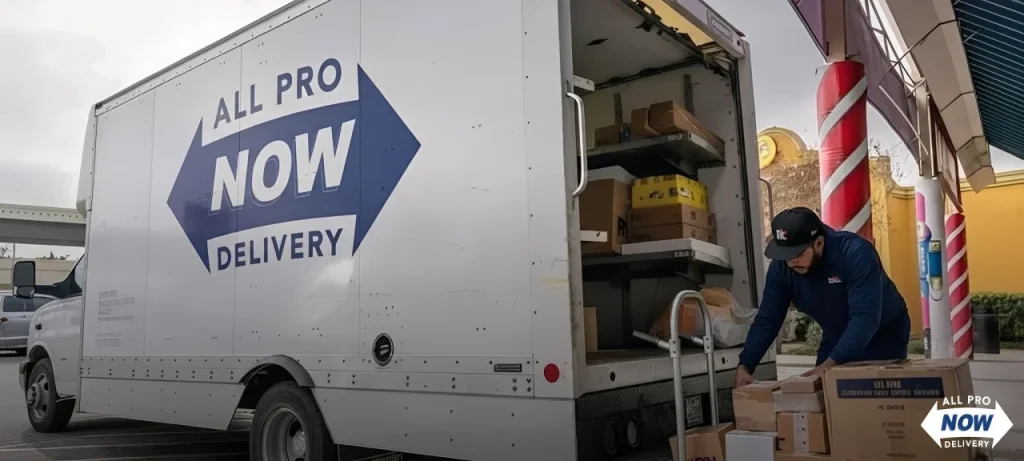
Small breakdowns in logistics often trigger larger downstream issues. A delayed shipment can disrupt scheduled procedures. A missed specimen pickup can force retesting. Limited visibility into deliveries increases emergency sourcing and inventory waste.
Operational studies and industry data consistently point to several recurring consequences of poor logistics in healthcare:
- Delays in medical supply deliveries that disrupt clinical workflows
- Increased retesting and rework due to late or compromised samples
- Higher inventory costs driven by uncertainty and buffer stocking
- Longer lead times for rural and remote healthcare facilities
As healthcare organizations expand across states and regions, logistics increasingly becomes a risk-management function, not just an operational one.
U.S. Healthcare Delivery Logistics Market Overview (2026)
The U.S. healthcare logistics market has grown steadily over the past decade and continues to expand heading into 2026. Industry estimates place the market in the tens of billions of dollars annually, with mid-single-digit growth expected over the next several years.
This growth is being driven by structural changes across the healthcare ecosystem. Outpatient and home-based care models continue to expand, increasing the number of delivery points. Pharmaceutical and biologics shipments are rising, many of which require specialized handling and tighter delivery windows. At the same time, regulatory requirements around traceability and compliance are becoming stricter.
The market itself includes a mix of providers, such as:
- National freight and courier networks
- Specialized medical courier services
- Regional same-day delivery providers
- Integrated healthcare third-party logistics (3PL) platforms
As care becomes more decentralized, healthcare organizations are rethinking how logistics in healthcare is structured, outsourced, and managed.
Key Challenges in Healthcare Delivery Logistics
Healthcare delivery logistics operates under conditions where mistakes carry real clinical consequences. Unlike most industries, delays and handling errors can directly affect patient care, not just operational efficiency.
Several challenges consistently shape logistics in healthcare.
- Time sensitivity
Many healthcare shipments move within narrow delivery windows. Even minor delays can cancel procedures, disrupt treatment schedules, or invalidate diagnostic samples. - Compliance and chain of custody
Medical deliveries often require documented handling, secure transfers, and audit-ready records. Failures in compliance introduce regulatory risk in addition to operational disruption. - Temperature control requirements
As specialty drugs, vaccines, and biologics account for a larger share of shipments, maintaining strict temperature ranges throughout transit has become essential, especially during last-mile delivery. - Geographic imbalance
Urban healthcare systems demand speed and high delivery density, while rural providers face longer routes and limited carrier availability. Logistics networks must support both environments simultaneously. - Cost pressure without risk tolerance
Healthcare organizations are expected to reduce logistics spend while maintaining reliability. Unlike other sectors, cost savings cannot come at the expense of service quality.
These challenges rarely exist in isolation. As healthcare systems expand across regions and service lines, they compound quickly, making logistics in healthcare one of the most complex operational functions to manage.
How Third-Party Logistics (3PL) Providers Help Solve These Challenges
Third-party logistics providers play a growing role in healthcare delivery logistics by offering specialization and flexibility that internal teams often cannot scale.
Rather than managing fleets, drivers, routing, and compliance internally, healthcare organizations rely on logistics partners that are built for time-critical delivery. Effective healthcare 3PLs typically focus on:
- Same-day and scheduled medical deliveries
- Drivers trained in healthcare handling protocols
- Real-time visibility into shipment status
- Regional density for faster response times
- Flexible capacity during demand spikes
This approach allows healthcare organizations to maintain service levels while controlling overhead and operational complexity.
Where AllProNow Fits in the Healthcare Logistics Ecosystem
Within the broader logistics healthcare landscape, AllProNow operates in the time-critical and same-day delivery segment. Rather than competing with national freight providers, AllProNow supports the urgent, regional layer of healthcare logistics where responsiveness matters most.

This includes same-day delivery of medical supplies, time-sensitive transfers between facilities, and support for hospitals, clinics, laboratories, and pharmacies across multiple U.S. states. The emphasis is on execution certainty, visibility, and speed.
In healthcare delivery logistics, it is often theselast-mile and urgent movements where delays carry the highest risk.
Real-World Use Cases of Logistics in Healthcare
Logistics in healthcare supports a wide range of operational scenarios. The most common real-world use cases include:
- Hospital and health system operations
Logistics failures in hospitals quickly translate into care delays. Same-day delivery helps keep operating rooms, laboratories, and pharmacies supplied without excessive on-site inventory. - Pharmaceutical and specialty medication transport
Specialty drugs require controlled handling and precise timing. Missed or mishandled deliveries can result in product loss, treatment disruption, and compliance risk. - Diagnostic laboratories and specimen transport
Laboratories depend on predictable specimen movement. Late or compromised samples increase retesting rates and slow clinical decision-making. - Emergency and surge scenarios
Natural disasters, outbreaks, and sudden demand spikes expose weaknesses in logistics systems. Healthcare delivery logistics must scale quickly under pressure to support continuity of care.
These use cases highlight why logistics in healthcare must be designed for exceptions, not just routine operations.
Role of Technology in Modern Healthcare Delivery Logistics
Technology has shifted healthcare logistics from reactive to predictive.
Real-time tracking provides continuous visibility into medical shipments, allowing teams to intervene before delays affect care. Automated dispatch and routing systems improve reliability by assigning deliveries based on urgency and real-world conditions rather than manual coordination.
Digital chain-of-custody records support compliance without adding administrative overhead. More advanced platforms now use predictive analytics to anticipate demand and optimize routes ahead of time.
When integrated with hospital and pharmacy systems, these technologies reduce uncertainty and improve accountability across healthcare delivery logistics.
How to Choose the Right Healthcare Delivery Logistics Partner
Selecting a logistics partner in healthcare is a risk decision, not a price decision. The right partner reduces operational friction and protects patient outcomes. The wrong one introduces delays, compliance gaps, and uncertainty.
When evaluating logistics in healthcare, organizations typically look for a combination of operational reliability and healthcare-specific experience, including:
- Proven experience with healthcare deliveries, where timing, handling, and documentation matter
- Ability to support same-day and time-critical shipments, especially for urgent medical needs
- Real-time visibility into shipments, so teams are not operating blindly
- Geographic coverage aligned with facility locations, including both urban and regional routes
- Clear escalation and support processes when delays or exceptions occur
This is where providers like AllProNow fit into the healthcare delivery logistics ecosystem. By focusing on same-day and time-critical medical deliveries across multiple U.S. states, AllProNow supports the operational layer where delays are least tolerable and visibility matters most.
The right logistics partner does more than move packages. It reduces uncertainty across the healthcare supply chain and allows clinical teams to focus on care, not coordination.
Conclusion: The Future of Logistics in Healthcare in the U.S.
Logistics in healthcare will continue to grow in importance as the U.S. healthcare system becomes more distributed, regulated, and time-sensitive. Organizations that treat logistics as infrastructure rather than a back-office function will be better positioned to manage cost, risk, and reliability.
Healthcare delivery logistics may operate behind the scenes, but its impact is felt wherever timing, accuracy, and trust matter. In 2026 and beyond, it will remain foundational to how care reaches patients across the United States.